Beyond Onions: Discover How to Cut, Cook & Enjoy Healthy Leeks
Often overshadowed by their more pungent onion cousins, leeks are a culinary gem offering a unique blend of sweetness and delicate flavor. Reminiscent of a subtle garlic or chive, these versatile vegetables deserve a prime spot in your kitchen. Beyond their delightful taste, leeks are nutritional powerhouses, packed with essential vitamins, minerals, and antioxidants, making them a wise and delicious addition to any healthy diet. If you've ever felt intimidated by their layered structure or the myth of grit, fear not! This comprehensive guide will demystify the process, showing you exactly
how to cut and cook leeks to perfection, transforming them into a tender, flavorful ingredient you'll love.
Buying and Prepping Leeks for Perfection
The journey to delicious leeks begins long before they hit the pan. Proper selection and thorough preparation are crucial for unlocking their best qualities and avoiding common pitfalls like gritty textures.
Selecting the Best Leeks
When you're at the farmer's market or grocery store produce aisle, look for leeks that are:
- Firm and White: The white and light green shaft should be firm to the touch, indicating freshness.
- Unblemished: Avoid leeks with soft spots, yellowing, or signs of decay.
- Evenly Green Tops: The dark green leafy tops should be vibrant and healthy-looking, without bruises or blemishes.
- Good Proportion: Opt for leeks with a generous amount of white and light green, as this is the most tender and desirable part.
Leeks are best enjoyed fresh, so purchase only what you plan to use within a few days. Store them unwashed in the refrigerator, ideally in the crisper drawer, where they’ll maintain their freshness for approximately 3-5 days.
The Essential Art of Cleaning Leeks (No More Grit!)
Leeks are notorious for trapping sandy soil between their many layers as they grow. Skipping proper cleaning is the fastest way to ruin an otherwise perfect dish. A quick rinse simply won't suffice. Here's a foolproof method to ensure your leeks are squeaky clean every time:
- Trim the Ends: Start by slicing off the very bottom root end, which is tough and often dirty. Next, trim off the tough, dark green leafy tops. Don't discard these entirely – they're excellent for infusing flavor into homemade vegetable stocks!
- Slice for Access: Depending on your intended cut, you can either slice the leek into rings, or, for a more thorough clean, cut the remaining white and light green part in half lengthwise, from the top down towards the root, keeping the root end intact if you want to maintain the leek's structure for certain dishes.
- Fan and Rinse Thoroughly: Hold the sliced leek (or individual rings) under cool running water. Use your fingers to fan open the layers, allowing the water to flush out any trapped dirt and sand. Be diligent; grit can hide in the smallest crevices.
- Soak (Optional but Recommended for Extra-Dirty Leeks): For particularly sandy leeks, submerge the sliced halves or rings in a large bowl of cold water for about 10 minutes. Swish them around gently, and you'll often see any remaining grit sink to the bottom of the bowl.
- Pat Dry: Carefully lift the cleaned leeks out of the water (don't pour the water over them, as this might redeposit the grit). Pat them thoroughly dry with a clean kitchen towel or paper towels. This step is important for achieving good caramelization if you plan to sauté or roast them.
For an even deeper dive into this crucial step, check out our detailed guide:
No More Grit: The Ultimate Guide to Cleaning and Cutting Leeks.
Mastering the Cut: What Parts to Use and How
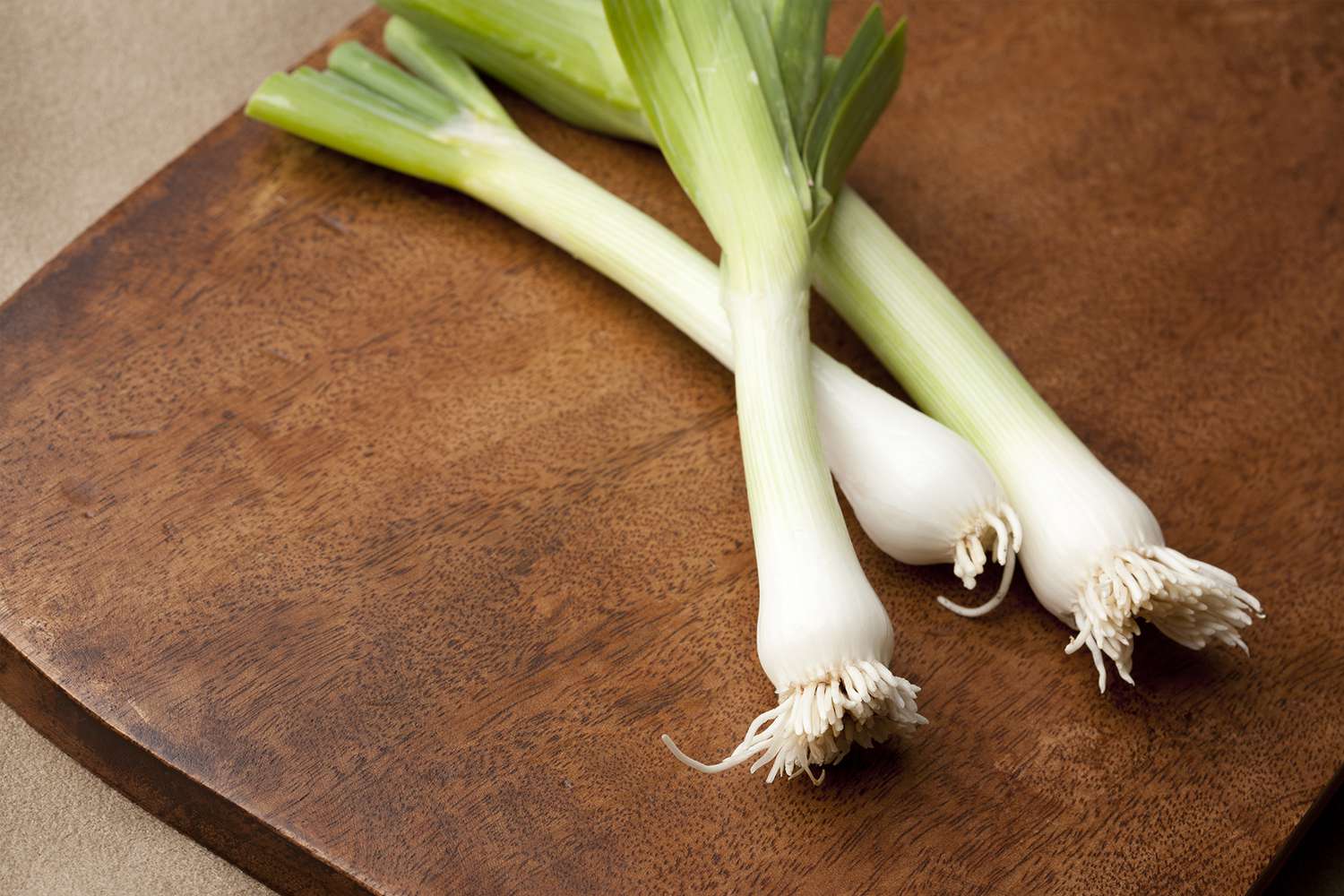
A leek has three main sections: the white part at the bottom, the light green middle section, and the dark green tops.
- White and Light Green Parts: These are the most tender and flavorful parts, prized for their delicate sweetness. They can be sliced into rings, half-moons, or julienned, depending on your recipe. These are the parts you'll typically cook and eat.
- Dark Green Tops: While edible, these parts are much tougher and fibrous. They are best reserved for adding flavor to stocks, broths, or soups, where their texture will soften over a long cooking period, and they can be strained out later.
Versatile Cooking Methods: A Leek for Every Palate
Once cleaned and cut, leeks are incredibly versatile. Learning
how to cut and cook leeks opens up a world of culinary possibilities. Here are some popular and delicious methods:
Gentle Poaching: Unlocking Delicate Sweetness
Poaching leeks is a classic method that truly highlights their delicate flavor. It results in wonderfully tender leeks, perfect as a refined side dish.
- Method: Place cleaned and sliced leeks in a shallow pan. Cover them with just enough liquid – chicken broth, vegetable broth, or even white wine works beautifully. Add a pinch of salt and pepper.
- Technique: Bring the liquid to a gentle simmer, then reduce heat and cook until the leeks are fork-tender, usually 10-15 minutes.
- Serving Suggestion: Serve warm with a drizzle of olive oil, a squeeze of lemon juice, or a light vinaigrette. They also make an elegant base for fish or poultry.
Sautéing and Pan-Frying: Quick & Flavorful Caramelization
For a quick and delicious preparation, sautéing leeks brings out their natural sugars and develops a lovely golden hue.
- Method: Heat a tablespoon or two of butter or olive oil in a skillet over medium heat. Add your cleaned and sliced leeks.
- Technique: Cook, stirring occasionally, until the leeks soften and become translucent and lightly golden, about 5-8 minutes. Season with salt and freshly ground black pepper.
- Serving Suggestion: Sautéed leeks are fantastic as a simple side, folded into omelets, added to pasta dishes, or used as a base for quiches and tarts.
Boiling: A Simple Start
While less nuanced than other methods, boiling is a straightforward way to cook leeks until tender, especially if you plan to mash or purée them.
- Method: Place sliced leeks in a pot of lightly salted boiling water.
- Technique: Cook until tender, typically 5-10 minutes, depending on the thickness of the slices. Be careful not to overcook, or they can become mushy.
- Serving Suggestion: Drain well and use in mashed potato dishes, or purée them into a creamy leek soup.
Slow Cooking: Effortless Tenderness & Deep Flavor
The slow cooker is a secret weapon for achieving incredibly tender, silky leeks with minimal effort. This "hands-off" method allows their sweet, delicate flavor to fully develop without any fuss.
- Method: Simply place your cleaned and sliced leeks into the slow cooker. Add a bit of butter, a splash of broth or white wine, and your favorite seasonings like fresh thyme, a bay leaf, salt, and pepper.
- Cooking Times: Cook on low for 4-6 hours or on high for 2-3 hours until they are perfectly tender and silky.
- Result: The slow cooker yields consistently delicious results, unlocking a deeper sweetness and an incredibly soft texture that melts in your mouth.
This method is perfect for those who are intimidated by leeks or simply prefer a set-it-and-forget-it approach. For an in-depth exploration of this technique and exciting flavor variations, read our dedicated article:
Hands-Off Leeks: Achieve Tender, Sweet Flavor in Your Crock Pot. Imagine creamy slow-cooked leeks, or leeks infused with garlic and herbs – the possibilities are endless!
Beyond the Basics: Flavor Pairings and Culinary Inspiration
Once you’ve mastered
how to cut and cook leeks, you’ll discover their incredible versatility in pairing with a wide array of ingredients.
Classic & Creative Pairings
Leeks beautifully complement a variety of dishes:
- Potatoes: A timeless combination, think potato and leek soup, mashed potatoes with sautéed leeks, or a decadent leek gratin.
- Proteins: Their mild flavor makes them an excellent accompaniment to fish (especially salmon or cod), roasted chicken, pork, and even lamb.
- Dairy & Cheese: Leeks have a natural affinity for cream, butter, and cheeses like goat cheese, Parmesan, and Gruyère, making them ideal for quiches, tarts, and creamy pasta sauces.
- Soups & Stews: From classic Vichyssoise (a chilled potato and leek soup) to hearty winter stews, leeks add depth and sweetness.
- Grains: Incorporate them into risottos, pilafs, or grain bowls for added texture and flavor.
Elevating Your Leek Dishes
A few simple additions can elevate your leek preparations:
- Herbs: Fresh thyme, chives, parsley, and tarragon are natural partners.
- Acidity: A squeeze of lemon juice or a splash of white wine vinegar at the end of cooking brightens the flavor.
- Spice: A pinch of nutmeg or a dash of white pepper adds warmth.
- Texture: Garnish with toasted nuts (like walnuts or almonds) or crispy bacon bits for a delightful textural contrast.
Learning
how to cut and cook leeks is a rewarding culinary skill that opens the door to incredibly versatile and healthy meals. From their delicate, sweet flavor to their impressive nutritional profile, leeks are a vegetable worth embracing. With the right cleaning techniques and a variety of cooking methods at your disposal, you can transform these humble stalks into elegant side dishes, hearty components of main courses, or comforting additions to your favorite soups and stews. Don't let their layered appearance intimidate you; dive in and discover the delicious world of leeks!