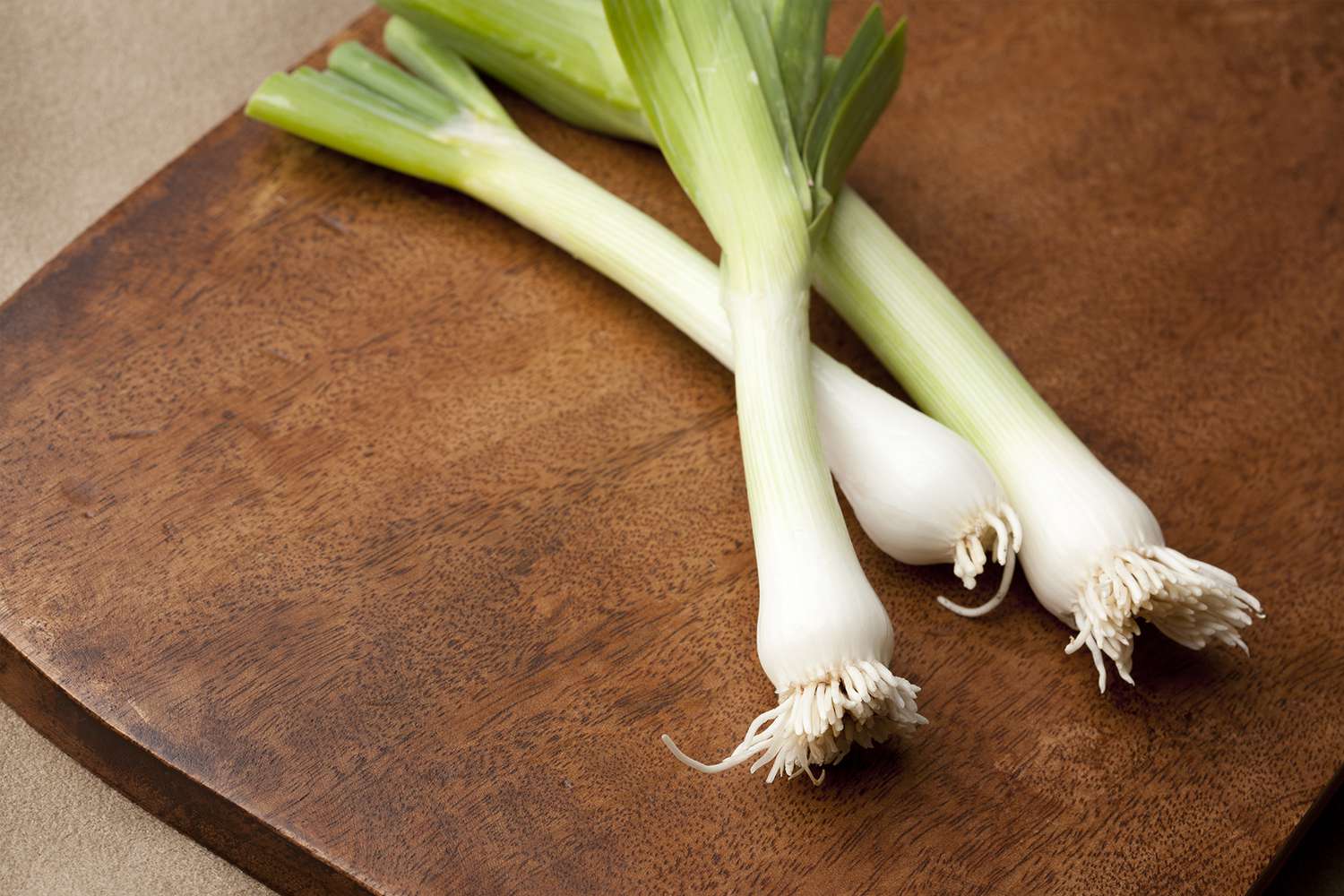
Leeks, the elegant cousins of the common onion, often strike a chord of intimidation in home cooks. Their long, leafy stalks, seemingly impenetrable layers, and the dreaded reputation for hiding grit can deter even experienced kitchen enthusiasts. But what if we told you that unlocking the sweet, delicate flavor of leeks — a flavor reminiscent of a gentle blend of onion, garlic, and chives — is far easier than you think? This comprehensive guide will banish your fears, showing you precisely how to cut and cook leeks, transforming them from a challenging vegetable into a go-to ingredient in your culinary repertoire. Say goodbye to sandy bites and hello to tender, flavorful dishes!
Why Leeks Deserve a Spot in Your Kitchen (and Your Diet!)
Beyond their unique flavor, leeks are nutritional powerhouses. They boast a generous array of vitamins, minerals, and antioxidants, making them a wise and delicious addition to any healthy diet. Rich in Vitamin K, Vitamin A, Vitamin C, iron, and manganese, they offer anti-inflammatory benefits and support bone health. Plus, their high fiber content aids digestion.
Choosing and Storing the Perfect Leeks
To ensure you start with the best possible foundation, knowing how to select and store leeks is key. When you're browsing at your local farmer's market or grocery store, look for leeks that are:
- Firm and White: The white and light green shaft should be solid and unblemished.
- Vibrantly Green Tops: The dark green leafy tops should be crisp and evenly colored, without any signs of wilting, bruises, or yellowing.
- Straight and Slender: While size varies, generally, a straighter, more slender leek indicates tenderness.
Purchase only as many leeks as you need, as they are best consumed fresh. Leeks will keep in the refrigerator for only a few days when stored unwashed in a plastic bag or wrapped in a damp paper towel. Avoid washing them until you're ready to use them, as moisture can accelerate spoilage.
The Essential First Step: Mastering Leek Cleaning (No More Grit!)
This is arguably the most critical stage of leek preparation, and it's where many people get intimidated. Leeks are grown in sandy soil, and as they mature, this soil can become trapped between their many tightly packed layers. A simple rinse under the tap just won't cut it for proper cleaning. But fear not! With a systematic approach, you can eliminate every last speck of grit. This foolproof method guarantees squeaky-clean leeks every time:
- Trim the Ends: Start by slicing off the very bottom root end of the leek, typically about a quarter-inch. Then, trim away the tough, dark green leafy tops. Don't discard these dark green sections! They’re packed with flavor and make an excellent addition to your next batch of homemade vegetable stock.
- Slice (Before or After, Your Choice): Depending on your recipe, you can choose to slice the leek before or after the main cleaning.
- If slicing into rounds: Make your desired cuts (e.g., half-inch thick rounds) through the white and light green parts.
- If slicing lengthwise: Cut the leek in half lengthwise, from the top down to the root end, keeping the root intact if possible to hold the layers together while cleaning. This method is often preferred for more thorough rinsing.
- Fan and Rinse Thoroughly: Whether sliced into rounds or halved lengthwise, the goal is to open up those layers.
- For rounds: Place the sliced leeks in a colander. Agitate them under cool running water, fanning open the rings with your fingers to allow water to penetrate every crevice.
- For halved leeks: Hold each half under cool running water, fanning open the layers with your fingers. Ensure the water reaches deep into all the nooks and crannies where grit hides. Be incredibly thorough!
- Soak (Optional but Highly Recommended for Extra-Dirty Leeks): For leeks that look particularly sandy, or just for extra peace of mind, a quick soak is invaluable. Submerge the sliced or halved leeks in a large bowl of cold water for about 10 minutes. Swish them around a bit, and you’ll often see any remaining sand and dirt sink to the bottom of the bowl.
- Pat Dry: Carefully lift the leeks out of the water (do not pour the water over them, or you'll just pour the grit back on!). Pat them thoroughly dry with a clean kitchen towel or paper towels. Excess moisture can prevent browning if you plan to sauté them.
Following these steps ensures your leeks are pristine, ready to deliver pure, unadulterated flavor to your dish.
Preparing Leeks for Culinary Success: Understanding the Usable Parts & Basic Cuts
Now that your leeks are sparkling clean, it’s time to prepare them for cooking. Understanding which parts to use and how different cuts affect cooking time and texture is essential for mastering how to cut, cook & enjoy healthy leeks.
What Part of the Leek Do You Actually Use?
As mentioned, the very bottom root end and the tough, dark green tops are typically removed. The desirable parts for most recipes are the white and light green sections of the leek. These are the most tender and flavorful, offering that signature sweet and delicate taste. The dark green parts, while tough for eating raw or lightly cooked, are perfect for adding depth to stocks and broths due to their robust flavor.
Basic Leek Cutting Techniques
The way you cut your leeks will largely depend on your intended recipe:
- Rounds (or Slices): This is the most common cut. After cleaning, lay the leek flat and slice it crosswise into discs of your desired thickness (e.g., ¼-inch to ½-inch). Ideal for soups, stews, sautés, and gratins where you want tender, melt-in-your-mouth pieces.
- Half-Moons (or Half-Rounds): For larger, more substantial pieces, cut the leek in half lengthwise, then slice crosswise. This yields crescent-shaped pieces, great for roasting, braising, or dishes where leeks are a prominent feature.
- Julienne (or Matchsticks): For fine, quick-cooking leeks, halve the leek lengthwise, lay it cut-side down, and slice into thin, matchstick-sized strips. Excellent for stir-fries, garnishes, or quick sautés.
- Dicing: For mirepoix (the aromatic base for many dishes) or when you want the leek to blend seamlessly into a sauce, slice the leek lengthwise multiple times, then slice crosswise to create small dice.
From Raw to Rhapsody: Versatile Ways to Cook Leeks
Once your leeks are perfectly cleaned and cut, the culinary possibilities are endless. Leeks truly shine when their natural sweetness is coaxed out through gentle cooking. Here are some popular methods for how to cook leeks, bringing out their best:
- Sautéing/Pan-Frying: A classic and quick method. Heat a little butter or olive oil in a pan over medium heat. Add your sliced or diced leeks and cook, stirring occasionally, until they soften and become translucent and slightly golden, typically 5-10 minutes. Season with salt and pepper. This is perfect as a simple side dish or as a base for other recipes.
- Braising/Poaching: This method yields incredibly tender, delicate leeks. Place cleaned and cut leeks in a shallow pan with a splash of chicken or vegetable broth, white wine, or even just water. Cover and simmer gently until very tender, about 10-20 minutes, depending on the thickness of your cuts. Finish with a knob of butter or a squeeze of lemon.
- Roasting: Roasting caramelizes the natural sugars in leeks, giving them a wonderfully sweet and slightly nutty flavor. Toss leek pieces with olive oil, salt, and pepper, then spread them in a single layer on a baking sheet. Roast at 400°F (200°C) for 15-25 minutes, flipping halfway, until tender and lightly browned at the edges.
- Slow Cooking: For a truly hands-off and deeply flavorful experience, the slow cooker is your secret weapon. Leeks emerge incredibly tender and silky. Simply combine cleaned and sliced leeks with butter, broth, and seasonings in your crock pot. Cook on low for 4-6 hours or high for 2-3 hours. This method is so effective, we've dedicated an entire guide to it: Hands-Off Leeks: Achieve Tender, Sweet Flavor in Your Crock Pot.
- Boiling/Blanching: For a very simple preparation or if you plan to chill the leeks for a salad, briefly boiling them until tender (3-5 minutes for slices) followed by an ice bath (blanching) will work. This helps retain their vibrant color and slight crispness.
- Integrating into Dishes: Leeks are incredibly versatile. Incorporate them into potato-leek soup (Vichyssoise), quiches, tarts, frittatas, risottos, pasta dishes, or as an aromatic base for stews and casseroles. They pair beautifully with cream, cheese, bacon, thyme, and lemon.
No matter which method you choose, the key is to cook leeks until they are tender and translucent, allowing their unique, delicate flavor to truly shine.
Conclusion
From their often-misunderstood nature to their incredible versatility and health benefits, leeks are a culinary gem just waiting to be explored. By following this ultimate guide, you now possess the knowledge and confidence to tackle their notorious grit with ease, master various cutting techniques, and transform them into tender, flavorful additions to countless dishes. So, go ahead, grab those firm, beautiful stalks from the produce aisle. Your kitchen, and your palate, will thank you for embracing the sweet, delicate charm of the humble leek. No more grit, just pure gastronomic delight!
